
Lower East Side Pickle Day 2017 — Cultural Event Branding & Motion-Based Promotion
Cultural branding, animated digital promotion, editorial advertising
Lower East Side Pickle Day is an annual public festival rooted in neighborhood food culture and local commerce. The 2017 campaign required a visual system that could operate across illustration, print, digital media, and motion—while remaining legible in crowded editorial and street-level contexts.
This project focused on extending an established brand identity into animated digital formats to support event awareness and media distribution.
Role & Contributions
Scope:
Cultural branding, animated digital promotion, editorial advertising
Role:
Promotional Ads & Motion Design
Collaboration:
Art Direction: Nina LoSchiavo
Design: Jim Tierney, Nina LoSchiavo
Illustration: Leo Natsume
Motion & Digital Ads: Julian Rucker
Design Challenge
Translate a character-driven visual identity into motion assets that could scale across digital placements without diluting the original illustration language or typographic hierarchy.
Adapted static illustrations into looping animated banner ads
Preserved line weight, color logic, and character proportions from the core identity
Designed motion to function within publisher ad constraints (timing, file size, legibility)
Animated the pickle mascot’s finger-waving gesture to add personality while maintaining restraint
Street-Level Brand Presence


Web Ads


Event Merchandise Application

Animated Editorial Placement


Distribution & Outcomes
Animated ads featured on The Gothamist and The Lo-Down
Assets deployed across editorial placements and event promotion
Motion work reinforced brand continuity across print, digital, and street contexts
This project demonstrates how cultural branding systems can extend into motion without becoming entertainment-first. The animation serves clarity, recognition, and distribution—supporting the event’s role as a neighborhood institution rather than a one-off campaign.
More Stories in Design

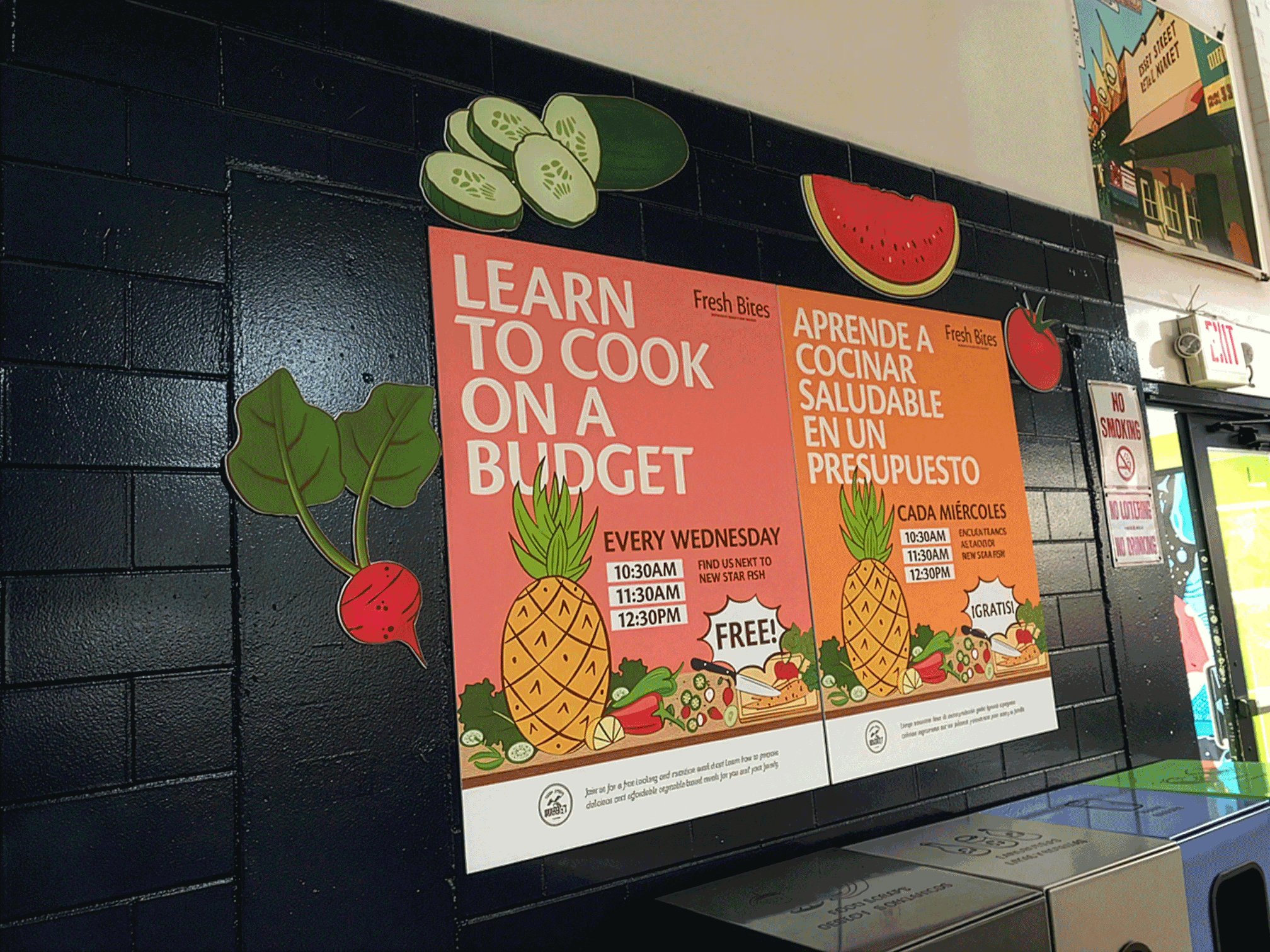
Fresh Bites Essex Street Market Food Education Initiative